お茶と私たち/About

About Crafts

The products we offer are handcrafted items created in collaboration with artisans.

The Arts and Crafts movement, spearheaded by William Morris in Britain from around 1870 to 1890, is described in Japan as "bringing art into daily life." It emerged as an activity during a time when the Industrial Revolution was advancing and technological development was profoundly transforming society.

I believe we have entered an era where this perspective is gaining renewed attention, as new technologies like generative AI transform society and redefine human roles. And I sense we have entered a cycle where physical experiences and the value of tangible objects are becoming increasingly important.

Sustainability is another perspective we can no longer ignore. We believe that products crafted with passion and care—not just during manufacturing or disposal—can become true companions for life. They inspire deep affection, offer greater scope for repair, and represent a viable solution.

For crafts to continue being cherished in the future, we need opportunities to meet new users.

We have chosen the field of tea experience and tea culture, which can provide people with respite and opportunities for deep communication in our fast-paced modern world.

File:Brooklyn Museum - Wallpaper Sample Book 1 - William Morris and Company - page127.jpg Wallpaper sample, Compton 323, by William Morris (c. 1917), Brooklyn Museum / en.wikipedia.org

The Birth GINRYOKU TEAWARE

GINRYOKU TEAWARE first encounter was through a project called MUUSEO FACTORY, which GINRYOKU TEAWARE

This project aims to create products that bridge the sensibilities of highly skilled makers and users. The first product born here, the "Gripping Stone Dharma," has garnered significant attention, including several television features.

GINRYOKU TEAWARE was launched as a new venture, building upon this experience and philosophy.

We pursue two goals: expanding the potential of craft and its artisans by nurturing new appreciators of craft, and creating tools that support the coexistence of both tradition and innovation within the evolving world of tea.
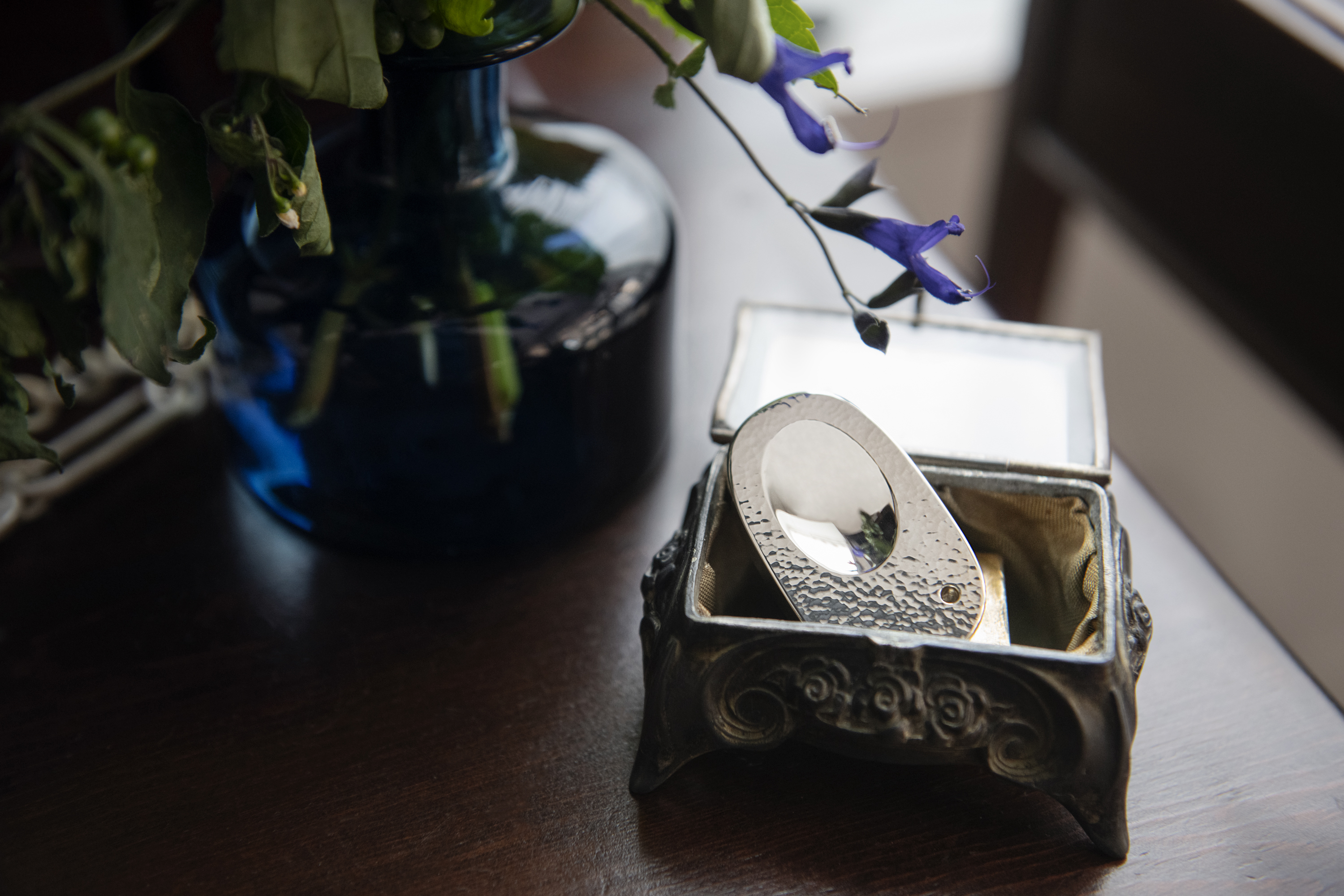
Grasping Stone "Dharma" / LOUD FACTORY ( https://loudfactory.jp/pages/dharma )

The Meaning Behind the Name

GINRYOKU TEAWARE is based on the brand concept of providing tea utensils made from natural materials.

It is composed of two combinations: "silver," indicating mineral origins such as clay and gemstones, and "green," indicating plant origins such as timber and lacquer.

The color "silver green" also refers to the color of pine needles, embodying the wish that it will be used for a long time, just like pine trees.

Our Promise

Respecting and promoting the diverse teas from various regions, their history and culture, while embracing new ways to enjoy them and increasing appreciation for them in the future.

We collaborate with artisans who continually refine their skills and sensibilities, selecting durable materials and manufacturing methods to create products that stand the test of time.

We will continue to enjoy tea and tea utensils.


Members

Jun Narimatsu

Neuer Garten Co., Ltd. President and CEO

From childhood, I grew up familiar with various teas. My first awakening came in elementary school when I began making Royal Milk Tea. Later, as an adult, I frequented a cafe where I encountered antique silverware and Chinese teas, and I have consistently enjoyed them ever since. On my occasional trips to Britain, I delight in spending time in tea rooms.

His ancestor, Nakatomi Katsujiro, contributed significantly to the development of Japanese crafts during the Meiji and Taisho periods, participating in the Paris Exposition and founding craft schools nationwide, including the Kanazawa Technical School. Consequently, he developed an interest in crafts from childhood. He has been drawn to the details of products across various fields, drawing vitality from them and sharing his life with them.

After working at Deloitte Touche Tohmatsu, he joined Cookpad—an online recipe-sharing service—when it had only about 10 employees. As its first CFO, he started by establishing the corporate department, then led efforts to build the foundation for business growth: securing funding from major financial institutions and listing the company on the Tokyo Stock Exchange. He later founded Museo, a collection management and viewing service aimed at enriching people's lives with objects, operating it for 10 years before handing it over.

Currently, he serves as an outside director for multiple startups and as an angel investor, while also co-managing LOUDGARDEN, a boutique tailor specializing in British-style tailoring.

Motoyoshi Yamagata

Representative of the Japanology Museum

Writer, planner, folklorist.

With extensive experience in the publishing industry, he has worked on numerous magazines and books covering objects, photography, and travel. His passion for objects has led him to develop artisan-related products and work as a planner and instructor for town revitalization projects centered around objects.

I started building plastic models around the time I began kindergarten, and by elementary school, I was engrossed in crafts like bamboo spinning tops and wooden model airplanes, always with my Higo-gami knife in hand. Since then, my passion has expanded beyond just the objects themselves to encompass techniques, materials, design, texture, and tactile feel, keeping me on a journey to find cherished possessions. My interests now span tools, cameras, stationery, furniture, architecture, musical instruments, ceramics, tableware, and other everyday objects.